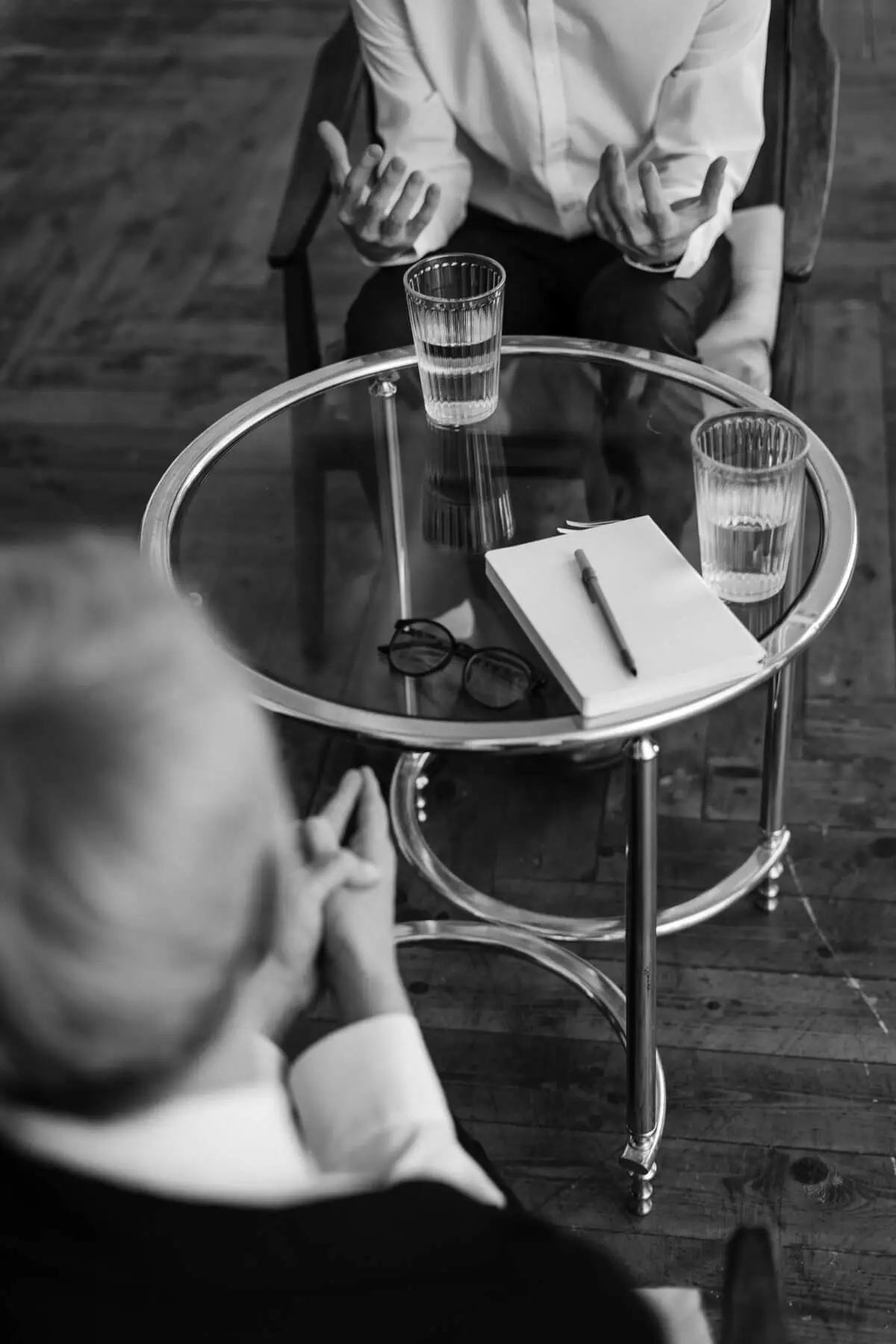
What is Counselling and Psychotherapy
Counselling and psychotherapy are activities that utilise an interpersonal relationship to enable people to develop a better understanding about themselves, to explore the issues they wish to resolve and to make the changes in their lives they wish to make.
While the terms ‘counselling’ and ‘psychotherapy’ are often used interchangeably, I see them as being two distinct processes – with distinctive outcomes – but also with common areas of overlap. Counselling focuses on an issue or crisis that causes us emotional anguish and prevents us from functioning as well as we’d like to be in our lives. Events – such as the loss of our job, the death of a loved one or the end of a relationship – can all have significant emotional consequences, which threaten to overwhelm us. At these times, a counsellor can provide support and understanding as the client works through their emotional responses to the point where they are able to function well again. Counselling is usually a short-term process taking about 6 to 20 sessions.
In addition to providing support at times of crisis, psychotherapy will also focus on helping people uncover unconscious patterns influencing their behaviours and relationships. These patterns have usually been formed in childhood as a way of dealing with the stresses and strains experienced in the family. While these patterns enabled the child to survive in the family, they do not adapt well to an adult environment. In other words, we respond to adult problems in the same way that we responded to problems when we were a child. These responses have become so habitual that we are unable to differentiate between our responses and who we really are. In other words, we think our responses are us.
Psychotherapy assists in making conscious our unconscious patterns of behaviour. It will help to look at how and why these patterns were formed, and then help in dismantling them through the processing of the emotions that these patterns were put in place in order to protect and defend us from feeling. Over time, we learn to be more conscious of our responses and put in place more flexible defences that are more appropriate to our adult lives. To be really effective, the psychotherapeutic process usually takes a much longer time than counselling.